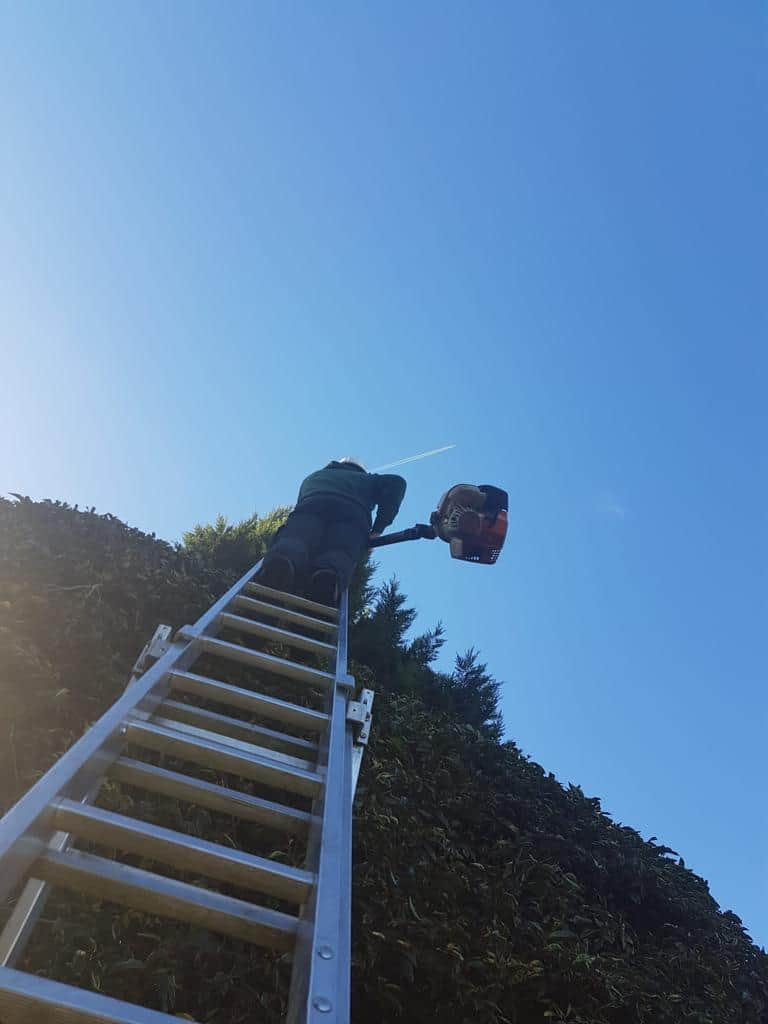
Trees provide valuable benefits to gardens and outdoor spaces, offering shade, privacy and natural beauty. However, there are situations where a tree may become unsafe, unhealthy or unsuitable for its surroundings. When problems cannot be managed through pruning or other forms of maintenance, tree felling may be the most appropriate solution.
Knowing when removal is necessary can help property owners make informed decisions and reduce potential risks. For homeowners and businesses in Redhill, Surrey, recognising the warning signs early can help protect buildings, gardens and people while ensuring trees are managed responsibly.
Signs That a Tree May Need to Be Felled
Tree felling should not be the first response to every tree-related problem. Many issues can be addressed through professional pruning, crown reduction or other maintenance work. However, certain conditions may indicate that a tree has deteriorated beyond what routine care can resolve.
Extensive Decay or Internal Damage
A tree may appear healthy externally while suffering from significant internal decay. Fungal growth around the base, cavities in the trunk, soft or crumbling wood and areas of dead bark can indicate structural deterioration.
Decay can weaken the trunk and reduce the tree’s ability to support its own weight. A professional assessment is important to establish how extensive the damage is and whether the tree can safely remain in place.
Significant Leaning or Root Instability
Some trees naturally grow at an angle, but a sudden change in position can be a warning sign. A tree that has started leaning noticeably, particularly after strong winds or heavy rainfall, may have experienced root damage or movement in the surrounding soil.
Other signs include raised ground around the base, exposed roots or cracking in the soil. These symptoms may indicate that the tree’s stability has been compromised and should be investigated promptly.
Large Dead or Damaged Branches
Dead branches within the crown can become brittle and fall without warning. While individual branches can often be removed through targeted pruning, extensive dieback throughout the canopy may suggest a more serious decline.
If large sections of the tree are dead, damaged or structurally weak, a specialist can determine whether selective removal is sufficient or whether felling should be considered.
Severe Storm Damage
Strong winds and heavy weather can cause major structural damage, including split trunks, broken main limbs and partially uprooted trees.
A tree with a severely damaged trunk may no longer have the strength to remain stable. Although some storm-damaged trees can be restored through careful pruning, extensive structural failure may make removal necessary.
Serious Disease or Pest Damage
Certain diseases and pest infestations can gradually weaken a tree, affecting its leaves, branches, trunk and roots. Symptoms may include premature leaf loss, unusual discolouration, fungal growth and progressive dieback.
Not every affected tree needs to be removed. However, if the condition has caused extensive structural damage or the tree is unlikely to recover, felling may be recommended following a professional inspection.
When Tree Pruning May Be Enough
Tree felling is not always necessary when a tree becomes overgrown or develops minor defects. In many cases, suitable maintenance can address the problem while preserving the tree.
Crown reduction can help manage an excessively large canopy, while selective pruning removes damaged, diseased or crossing branches. Crown thinning may also improve airflow and light penetration without changing the tree’s overall shape significantly.
The appropriate approach depends on the tree’s species, condition, structure and surroundings. A qualified tree surgeon can assess whether maintenance will provide a safe and effective long-term solution.
Why a Professional Tree Assessment Matters
Deciding whether to fell a tree requires more than identifying visible damage. A thorough assessment considers the condition of the trunk, branches, root system and surrounding ground, as well as the tree’s position in relation to buildings, paths and other features.
This helps establish whether the risks can be managed through pruning or whether removal is the more suitable option. Professional assessment also helps ensure that any necessary work is planned carefully, particularly where a tree is close to structures or has limited space around it.
Property owners should avoid attempting to fell large or damaged trees themselves, as unstable branches and unpredictable movement can create serious hazards.
Professional Tree Felling Services in Redhill
When a tree has become unsafe, severely damaged or beyond practical restoration, professional tree felling can help manage the situation safely. The method used will depend on the tree’s size, condition, location and available working space.
NS Tree Surgery Redhill provides professional tree surgery services in Redhill, Surrey. Whether you are concerned about a leaning tree, extensive decay or significant storm damage, an assessment can help determine the most appropriate course of action.
Conclusion
Tree felling may be necessary when a tree has extensive decay, unstable roots, severe structural damage or a condition that cannot be managed through routine maintenance. Recognising these warning signs early allows property owners to seek advice before the situation becomes more serious.
However, removal should always be considered carefully, as pruning or other tree surgery work may provide a suitable alternative. If you are concerned about the condition or safety of a tree, contact NS Tree Surgery Redhill to discuss a professional assessment for your property in Redhill.
Call us on: 01737 303 494
Click here to find out more about NS Tree Surgery Redhill
Click here to complete our contact form and see how we can help with your tree needs.